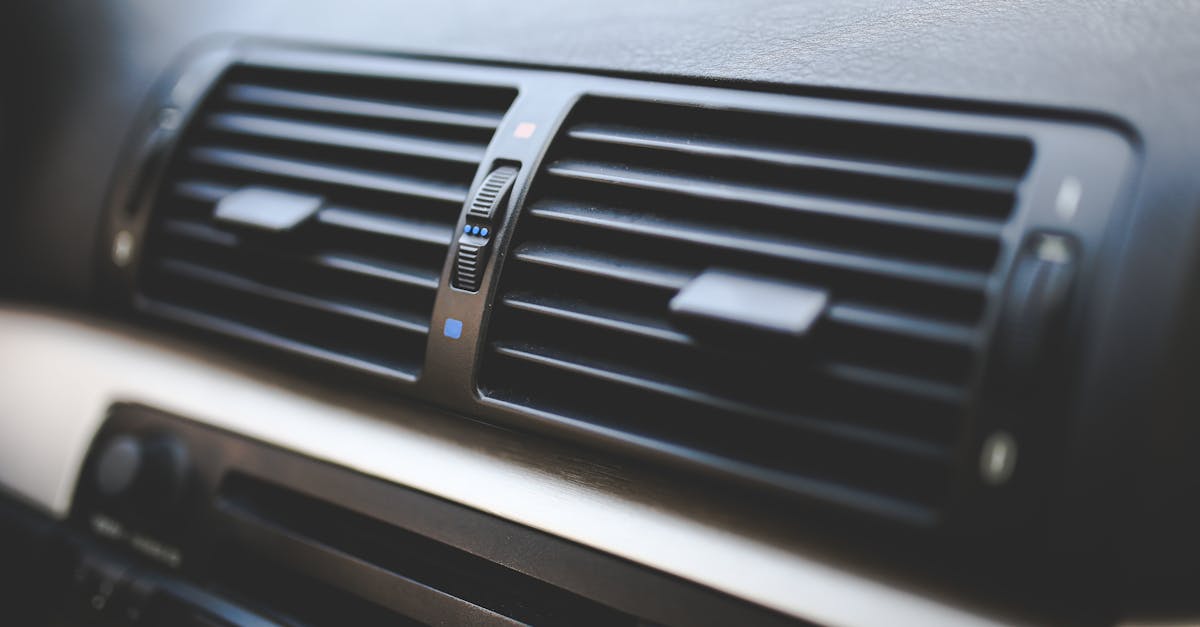
You switch on the air conditioning on the first hot day of the year, and warm air blows from the vents. An auto parts store sells refrigerant recharge cans with gauges for a modest price. It is tempting to top up and hope for the best. Sometimes that works temporarily. Often it hides the real problem — or creates new ones.
Key Takeaways
- Car AC systems move heat using refrigerant, a compressor, a condenser, an expansion device and an evaporator.
- Low refrigerant almost always means a leak; adding refrigerant without fixing the leak is a short-term fix.
- Not all cooling problems are refrigerant problems — electrical faults, cooling fans, the compressor clutch and blend doors are common causes.
- Overcharging with DIY kits can reduce cooling and damage the compressor; many newer vehicles use R-1234yf refrigerant, which requires specific equipment.
How car air conditioning works
- Compressor. Driven by the engine belt (or electrically in hybrids and EVs), it compresses refrigerant gas, raising its pressure and temperature.
- Condenser. Located in front of the radiator, it releases heat from the refrigerant, turning it into a high-pressure liquid.
- Expansion valve or orifice tube. Reduces pressure, allowing the refrigerant to expand and cool.
- Evaporator. Inside the dashboard, it absorbs heat from cabin air. The blower fan pushes air across it into the cabin.
- Receiver-drier or accumulator. Removes moisture from the system.
Refrigerant cycles continuously, moving heat from inside the car to outside.
Refrigerant types
Most vehicles built before the mid-2010s use R-134a. Many newer vehicles use R-1234yf, which has much lower global warming potential. They are not interchangeable, and service fittings differ. Check the label under the hood.
Common causes of weak or warm air
Low refrigerant. Systems are sealed; low refrigerant indicates a leak. Common leak points include the condenser (vulnerable to stone damage), hoses, seals and the compressor shaft seal.
Compressor clutch not engaging. On belt-driven compressors, an electromagnetic clutch connects the compressor to its pulley. If it does not engage, the compressor does not run. Causes include low refrigerant (pressure switches prevent operation), a blown fuse, a bad relay, wiring problems or a worn clutch.
Cooling fans not working. The condenser needs airflow, especially at idle. If fans fail, AC may cool at highway speed but not in traffic.
Blend door problems. A blend door inside the dashboard mixes hot and cold air. If its actuator fails, warm air may blow even when the AC works. Clicking noises behind the dashboard are a common sign.
Clogged cabin air filter. Reduces airflow from the vents.
Blocked condenser. Debris, leaves or bugs can reduce heat transfer.
Compressor failure. Internal failure can cause noise and no cooling.
Basic checks you can do
- Listen for the compressor clutch clicking on when you switch on the AC (on belt-driven systems).
- Check whether cooling fans run when the AC is on.
- Inspect the condenser for debris or damage.
- Replace the cabin air filter if it is dirty.
- Check the temperature at the vents at idle and while driving.
- Check fuses and relays related to the AC system.
Why DIY recharge cans can backfire
Recharge kits can add refrigerant, but:
- They do not fix leaks. Refrigerant will escape again.
- Low-side gauges give limited information. Correct charge depends on system design, temperature and other factors.
- Overcharging reduces cooling and can damage the compressor.
- Some kits contain sealants, which can clog components and contaminate professional service equipment.
- Moisture and air entering the system can reduce performance and cause corrosion.
Professional service uses equipment to recover refrigerant, vacuum the system to remove moisture, check for leaks and recharge by weight to the specified amount.
When to see a professional
- Refrigerant is low (find and fix the leak)
- The compressor makes noise or does not engage
- Electrical diagnosis is needed
- Your vehicle uses R-1234yf
- The system has been overcharged or contaminated
In many places, regulations require certified technicians to handle refrigerants.
Frequently Asked Questions
Does AC refrigerant need regular topping up? No. A properly sealed system should not need regular recharging.
Why does my AC smell musty? Mould or bacteria on the evaporator. Cabin filter replacement and evaporator cleaning can help.
Can running AC in winter help? Running AC periodically helps keep seals lubricated, and many cars use AC to dehumidify for defrosting.
Why does my AC work only at highway speed? Cooling fans or condenser airflow problems are common causes.
The bottom line
When your AC blows warm, check the simple things first, then find the real cause. Low refrigerant means a leak — fix the leak rather than repeatedly adding refrigerant.